 English
 français
 русский
 العربية


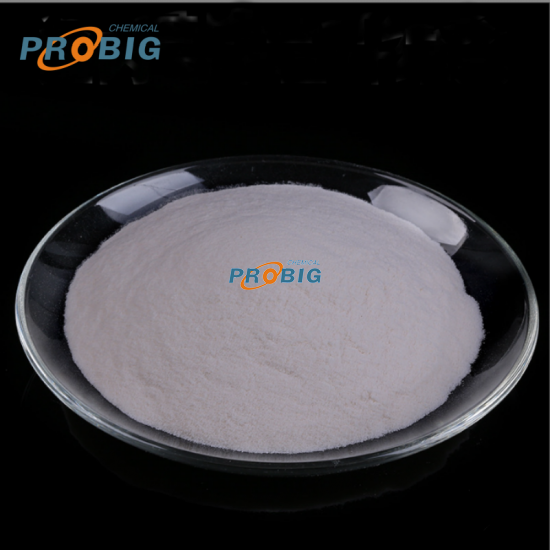
Hydroxypropyl methyl cellulose (HPMC) is a white or almost white powder. Mainly used as a dispersant in the production of polyvinyl chloride, in addition to being used as a thickener, stabilizer, emulsifier, film-forming agent, etc. in the production of other petrochemical, coatings, building materials, paint removers, papermaking, cosmetics and other products.
Payment:
TT, LC, Western UnionProduct origin:
ChinaGoods_stock:
500000Shipping port:
NanshaLead Time:
One weekCAS No.:
9004-65-3Usage:
Used as thickener, stabilizer, emulsifier, film-forming agent, etc.Appearance:
White fibrous or granular powderHS code:
3912900000Product Name: HPMCHydroxypropyl Methyl Cellulose CAS NO.9004-65-3
MF:C36H70O19.C20H38O11
Appearance: White fibrous or granular powder
Usage: Used as thickener, stabilizer, emulsifier, film-forming agent, etc.
Package: 25kg/bag
HS Code:3912900000
Characteristic:
1. Stable performance
2. The gel temperature and performance of products of different specifications are different
3. The solubility changes with viscosity, and the lower the viscosity, the greater the solubility
4. The dissolution of HPMC in water is not affected by pH value
5. The surface activity of HPMC decreases with the decrease of methoxy content, the increase of gel point, the decrease of water solubility and surface activity.
6. HPMC also has thickening ability, low salt resistance to ash powder, pH stability, water retention, dimensional stability, excellent film-forming ability, as well as extensive enzyme resistance, dispersibility, and adhesion.
Application:
In the polymerization reaction of synthetic resins, HPMC can serve as a dispersant and suspension agent for the polymerization reaction of vinyl chloride and its copolymers; Emulsifier for copolymerization of ethylene dichloride and vinyl acetate; Suspension stabilizer for copolymerization of vinyl acetate and vinyl chloride;
Stabilizers for grafting copolymerization of butadiene, acrylonitrile, and styrene.
As an additive in the pharmaceutical and food industry, it has functions such as thickening, solidification, film-forming, dispersion, and stability, as well as anti moisture, anti mold, and moisture retention.
In the paint industry, it can be used as an emulsifier, thickener, film-forming agent, and stabilizer. In the field of photosensitive printing, its film-forming and photodegradable properties are mainly utilized, and it can be rapidly developed with water.
As a detergent, it can improve the anti fouling ability of fabrics
Package and Storage:
25kg/bag
Store in a dry and ventilated place
Specification:
|
Items |
Specification |
Results |
Remarks |
|
Appearance |
Powder |
Powder |
Pass |
|
Odour |
Mild Characteristics |
Mild characteristics |
Pass |
|
Ash% |
≤1.0 |
0.98 |
Pass |
|
pH value(1% in 25℃) |
4.0-8.0 |
6.5 |
Pass |
|
Viscosity |
70000-100000 |
89000 |
Pass |
|
Conclusion |
Pass |
||
If you are interested in our products and want to know more details,please leave a message here,we will reply you as soon as we can.
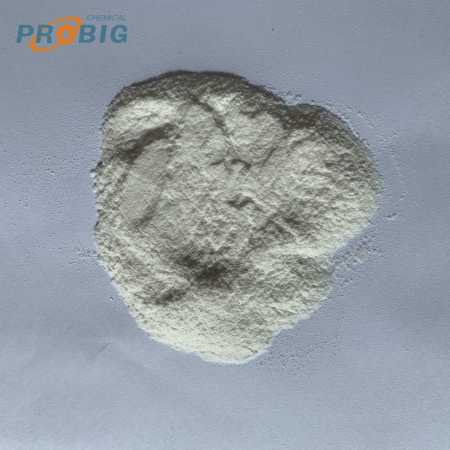
Pantolactone is a safe moisturizer for cosmetics and skin care products. It is not acne-causing and generally has no effect on pregnant women.
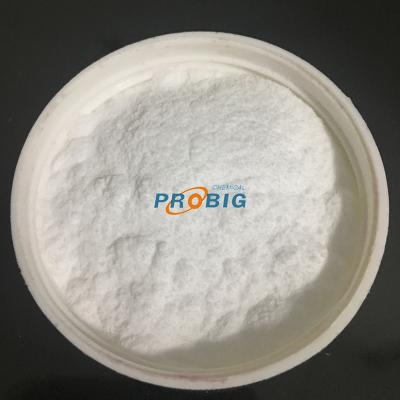
Polyglyceryl-4 isostearate is composed of natural raw materials and can be used as an emulsifier in oil-in-water creams. It is applied in cosmetics and has extremely high emulsifying properties, making the product more delicate and silky.
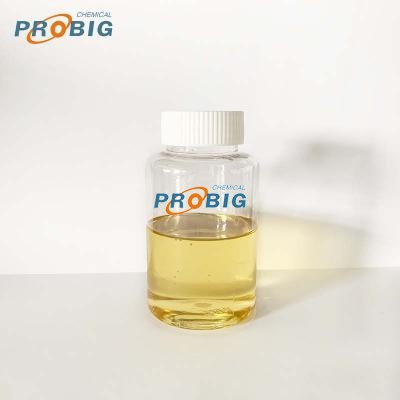
Alpha Arbutin is a natural active substance derived from green plants. It combines "green plants, safe and reliable" and "efficient depigmentation" into a skin depigmentation combination.
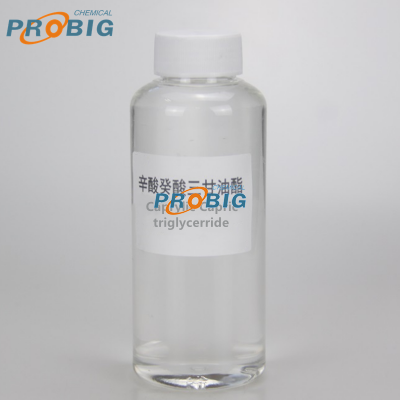
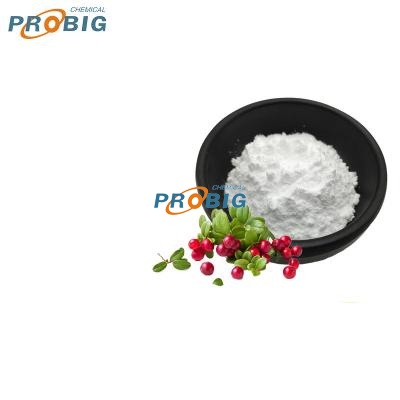
Caprylic acid triglyceride is a high-definition, colorless and odorless oil, which is a derivative of palm oil or coconut oil. It is extracted using the thermal fractionation method. Because it is compatible with human skin, it is also suitable for oily skin and will not clog pores. It has a non-greasy texture and can be added to creams or lotions to improve its extensibility, has the effect of smoothing and softening the skin, and has the function of filtering ultraviolet light.
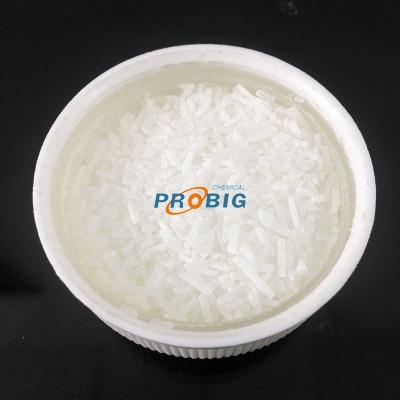
Sodium lauryl sulfate (SLS) is an anionic surfactant that is used in industrial products and household products.
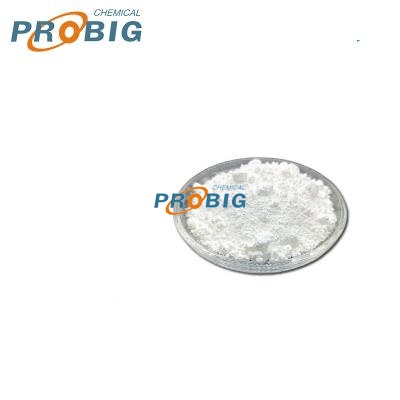
Carbomer 980 is a polyacrylic acid cross-linked polymer, which can form high viscosity gel at very low concentration. Carbomer 980, as an efficient thickener, suspending agent and gel matrix, has been widely used in the field of disposable gel raw materials and cosmetics. Carbomer 980 series is white loose powder, which has good thickening performance, high transparency, high viscosity, strong suspension capacity. The short rheological carbomer of the cosolvent system has excellent suspension stability. The main characteristics are swelling and slight acidity.
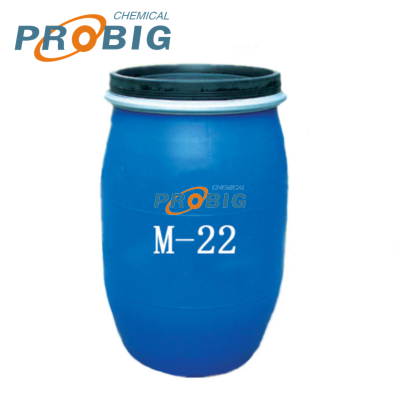
Polyquaternium-22 (M-22) is an amphoteric polymer with strong moisture retention. It has excellent dryness and wetness. It is suitable for moisturizing cream, shaving cream, hand soap, shower gel and shampoo. It can make people's skin smooth and dry; it can give people's hair a silky soft feeling, and it has high-quality moisturizing effect.
Kathon is an excellent bactericide, commonly used in finished cosmetics, shampoos and conditioners. It is a preservative that inhibits the growth of microorganisms. It has good inhibitory effect on yeast, fungi, Gram bacteria, heterophilic bacteria, algae, etc.
 No.3, Xipengling Road, Hebian Village, Baiyun District, Guangzhou, China
© Copyright: 2026 Guangzhou Probig Fine Chemical Co., Ltd All Rights Reserved.

IPv6 network supported